
Adjustable Sweatband Guide for Athletes
Posted by Halo Headband on Nov 22nd 2026
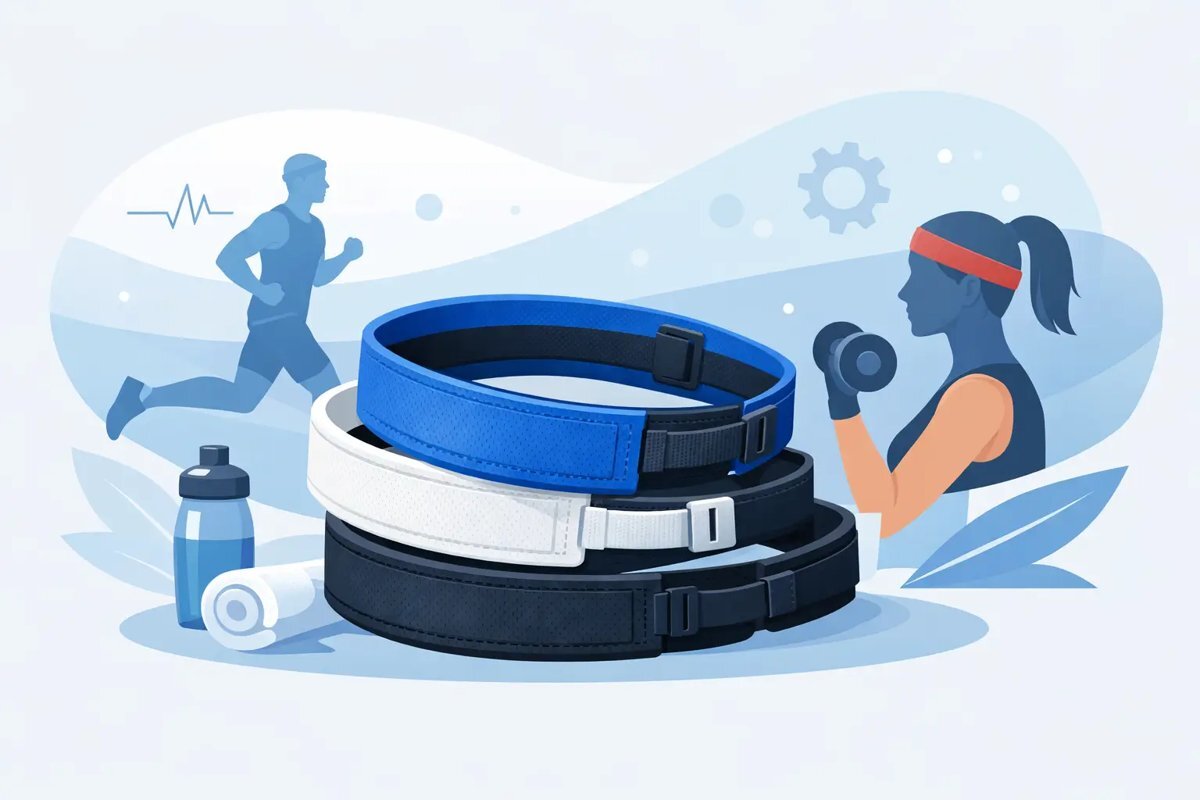
A bad sweatband usually fails the same way. It starts strong for the first mile, the first set, or the first game, then loosens, shifts, and lets sweat run straight into your eyes. For anyone training hard, an adjustable sweatband is not a small accessory. It is a piece of performance gear that needs to stay put, manage sweat, and stay comfortable when effort climbs.
That matters whether you run in summer humidity, ride long miles in a helmet, grind through indoor training, or play a stop-and-go sport like tennis or pickleball. If your headwear slips, traps heat, or saturates too fast, it becomes a distraction. The right adjustable design solves a very specific problem - keeping your vision clear and your focus on the workout.
What makes an adjustable sweatband for athletes different
The word adjustable gets overused in athletic gear. In practice, it should mean more than a strap or tie in the back. A real performance fit needs to account for head size, hair volume, helmet use, movement pattern, and how much pressure you want around the forehead.
For athletes, adjustability matters because fit directly affects function. If a band is too loose, sweat escapes and the band shifts during movement. If it is too tight, you get pressure points, overheating, or distraction halfway through a session. The best adjustable sweatband for athletes creates a secure fit without constant readjustment.
That balance becomes even more important in sports with repetitive motion. Runners deal with bounce. Cyclists deal with helmets and sustained effort. Court sport athletes deal with sharp cuts and quick directional changes. A one-size-fits-all band can work for light use, but it often falls short when training intensity increases.
Sweat control is the first job
Let us keep this simple. Athletes do not wear sweatbands for style first. They wear them because sweat in the eyes burns, blurs vision, and breaks concentration.
A strong sweatband should absorb moisture, but absorption alone is not enough. Once fabric becomes saturated, sweat can start dripping anyway. That is why construction matters. Some athletic headwear is built not just to soak up sweat, but to redirect it away from the eyes and face. That difference shows up late in a workout, when generic bands tend to give out.
If you wear glasses or sunglasses, sweat management becomes even more critical. Sweat on lenses changes visibility fast, especially outdoors in heat and sun. A better band helps keep both your eyes and eyewear clear, which is a real performance benefit, not a minor comfort upgrade.
Fit, grip, and why slipping ruins good gear
A sweatband can have soft fabric and decent moisture control, but if it moves every few minutes, it is the wrong product. No-slip performance is what separates training gear from a casual accessory.
Grip usually comes down to two things: the contact material against your skin and how well the band holds tension through movement. Adjustable designs can improve this because they let you fine-tune the hold. That said, not every adjustable band performs equally well. Some ties loosen with repeated motion. Some closures create bulk or pressure. Some bands feel secure at first but creep upward once sweat builds.
The ideal fit feels stable without becoming restrictive. You should be able to wear it for a short speed session or a long endurance effort without thinking about it. That is the standard athletes should expect.
Breathability still matters
Sweat control does not help much if the band makes your head hotter. Breathability is a major factor, especially for athletes training outdoors or in warm indoor environments.
Lighter fabrics tend to feel better in hot conditions, but lighter does not always mean better. Thin material that loses structure when wet may stop performing when you need it most. Heavier material can improve absorption, but it may also hold too much moisture and feel cumbersome over time. It depends on your sport, your sweat rate, and the conditions.
For example, a runner training in August may prioritize minimal bulk and fast drying. A cyclist may want something thin enough to work comfortably under a helmet. A tennis or pickleball player may prefer a band that balances airflow with stronger hold during quick lateral movement. The right answer is not universal. It is use-case specific.
How to choose the right adjustable sweatband for athletes
Start with the problem you are actually trying to solve. If your main issue is sweat reaching your eyes early in a workout, look first at sweat-channeling design and forehead coverage. If your issue is slippage, focus on grip and fit adjustment. If you train in heat and feel overloaded by heavier gear, prioritize breathable, low-bulk construction.
Next, consider when and where you train. Outdoor athletes often need a band that handles sun, heat, and long-duration sweat. Indoor athletes may need something that performs in repetitive, high-output sessions without becoming soaked too quickly. If you rotate between sports, versatility matters more than ultra-specific design.
Hair type and hairstyle also change the fit equation. A shaved head, short hair, thick curls, a ponytail, or a helmet all affect how a band sits and stays in place. Adjustable headwear is helpful here because it gives you more control over tension and placement. That is one reason many athletes prefer it over fixed-size bands.
Sport-specific considerations
Runners usually benefit from low-profile bands that stay stable through repetitive impact. If the band bounces, rolls, or traps too much heat, it becomes obvious fast. Long runs are especially revealing. Gear that feels fine for twenty minutes can become frustrating at the hour mark.
Cyclists need compatibility with helmets as much as sweat control. Bulk matters. So does the way the band sits across the forehead under sustained pressure. A good cycling option should manage sweat without creating discomfort under the helmet shell.
Court sport athletes need a different kind of stability. Fast cuts, pivots, and quick head movement test grip more aggressively than steady-state cardio does. In those sports, an adjustable band with dependable hold can be the better choice because it gives a more locked-in feel.
High-sweat gym training sits somewhere in the middle. You may not need helmet compatibility, but you still need comfort through repeated effort, intervals, and changing movement patterns. Here, versatility often wins.
Material and construction are not minor details
Athletes often focus on the visible feature - adjustable or not adjustable - but performance usually comes down to the less obvious parts. Fabric blend, seam placement, band width, and sweat-control design all shape how the product works under load.
A wider band can increase coverage and improve sweat capture, but some athletes find it warmer or too substantial for certain sports. A narrower band feels lighter, though it may offer less capacity in extreme sweat conditions. Flat seams can reduce irritation. Stretch recovery matters because a band that loses shape after repeated use will also lose its hold.
This is where purpose-built athletic headwear stands apart from generic options. Products designed around sweat management, grip, and repeat use usually perform more consistently over time. Halo Headband has built its reputation around that exact problem - keeping sweat out of your eyes with a secure, no-slip fit that holds up in real training conditions.
When adjustable is the better choice
Not every athlete needs an adjustable band. If you already know your preferred fit and use a specific style for a single sport, a fixed design may be enough. But adjustable headwear makes more sense when your needs change across workouts, weather, or sports.
It is especially useful if you train in layers during colder months, switch between loose and tied-back hair, wear a helmet sometimes but not always, or simply prefer more control over fit. That flexibility can make one band more useful across more conditions, which is a practical advantage for athletes who train year-round.
The trade-off is that adjustability adds a design variable. If the closure system is poorly executed, it can create pressure, bounce, or distraction. So the question is not just whether a band adjusts. It is whether it still feels clean, secure, and comfortable once adjusted.
What athletes should expect from a good one
A dependable adjustable sweatband should do four things well. It should keep sweat out of your eyes, stay in place through movement, feel comfortable for the length of your workout, and hold up after repeated washing and wear.
That sounds basic, but plenty of products miss at least one of those marks. Some are comfortable but slip. Some grip well but feel too hot. Some absorb early sweat but fail once intensity builds. Good gear earns its spot by staying effective past the easy part of the workout.
That is the real standard. Not how it feels in the mirror, but how it performs when your heart rate is up, your face is hot, and the session gets serious.
The best time to notice your sweatband is at the start, when you put it on. After that, it should disappear into the workout and keep doing its job. That is what athletes are really buying - fewer distractions, clearer vision, and one more piece of gear they do not have to fight.