

Best Tennis Headband for Sweat Control
Posted by Halo Headband on Nov 22nd 2026
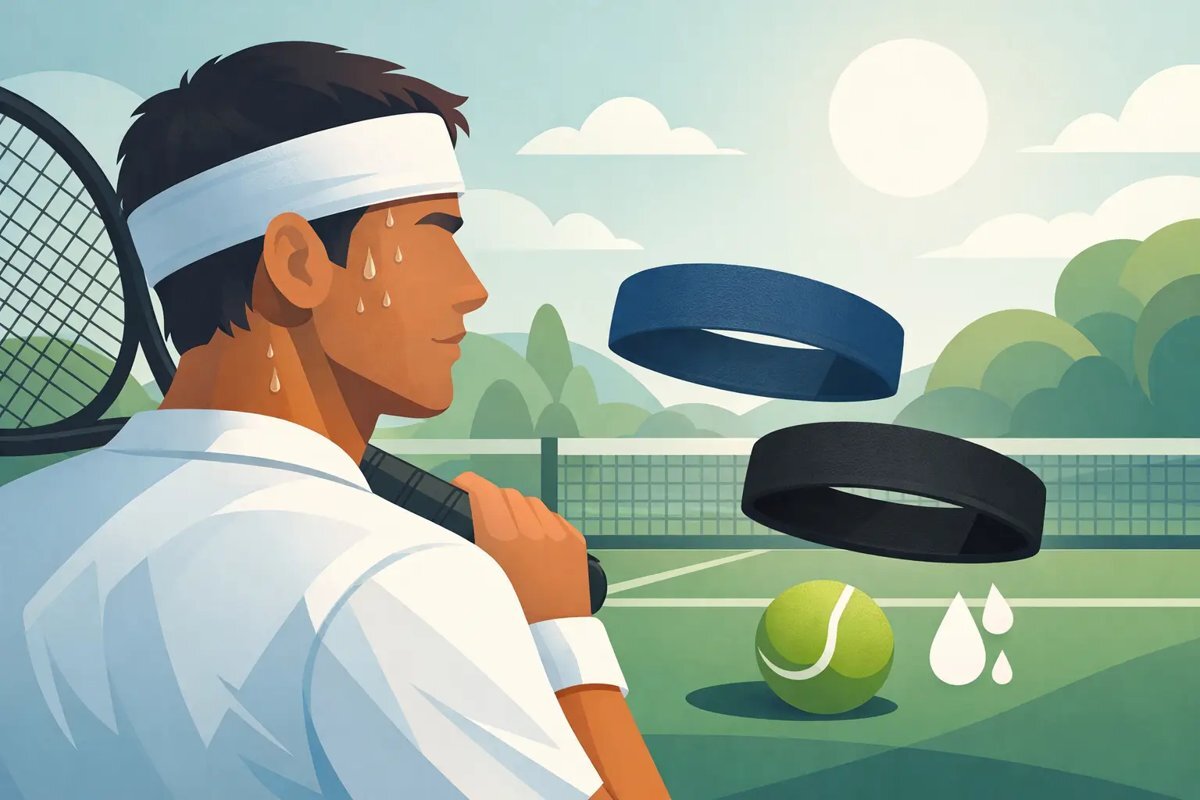
A point can turn on one distraction. Not a bad swing. Not the wrong strategy. Just sweat hitting your eyes right as you track the ball off the bounce. That is why a tennis headband is not a small accessory for serious players. It is performance gear that helps you see clearly, move confidently, and stay locked in through long rallies and hot sets.
Tennis creates a specific kind of sweat problem. You are not moving in one direction at a steady pace. You are sprinting, stopping, changing direction, serving overhead, and recovering fast. That combination creates repeated sweat buildup across the forehead, and if your headwear cannot manage it, the sweat drops straight into your eyes, onto your glasses, or down your face. A basic cotton band may absorb some moisture at first, but once it saturates, it often becomes heavy, slippery, and less effective when you need it most.
What a tennis headband for sweat needs to do
The job sounds simple, but the performance demands are not. A tennis headband has to manage moisture, stay in place during explosive movement, and feel comfortable over a full match or training session. If it misses on any one of those, it becomes another distraction.
Sweat control is the first requirement. The best designs do more than soak up moisture. They help redirect sweat away from the eyes before it becomes a problem. That matters on court because wiping your face every few points is not a real solution. It breaks rhythm, affects grip, and can pull your focus away from the next serve or return.
A secure fit matters just as much. Tennis includes abrupt lateral cuts, quick acceleration, and repeated head movement on serves and overheads. If your headband slides up, shifts, or loosens, you end up adjusting gear when you should be preparing for the next ball. No-slip performance is not a bonus. It is part of the function.
Breathability is the third piece. A thick band that traps heat may help for a short session, but it can feel oppressive in summer conditions or under direct sun. Players who sweat heavily need moisture management without creating extra heat load. That balance is where material choice and construction start to matter.
Why cotton often falls short on court
Cotton headbands are familiar, and they can feel soft at first. For light activity or short casual play, that may be enough. But tennis is rarely gentle on equipment, especially in warm weather.
Cotton tends to absorb and hold moisture. Once saturated, it can feel damp, heavier, and slower to dry. That creates two problems. First, the band may stop controlling sweat effectively because it is already loaded with moisture. Second, the extra wetness can contribute to slipping, especially during fast movement.
That does not mean every player has to avoid cotton in every setting. If you play indoors, sweat lightly, or prefer a softer traditional feel for short sessions, it can still work. But for hard training, competitive matches, or high heat, technical fabrics and sweat-channeling designs usually perform better.
The features that actually make a difference
When players shop for a tennis headband for sweat, it is easy to focus on width, color, or style first. Those details matter, but they should come after function.
The most effective headbands start with a design that controls sweat at the source. Sweat that runs down from the forehead needs to be captured and moved away before it reaches your eyes. A simple absorbent strip may help for a while, but a purpose-built sweat management system gives more consistent performance over time.
Grip is another separator. On court, a secure fit needs to hold through serving motion, split steps, and lateral movement without feeling too tight. Too much compression can create pressure and discomfort. Too little, and the band drifts. The best fit feels stable without asking for constant adjustment.
Material matters because it affects breathability, drying speed, and comfort. Lightweight technical fabrics generally outperform heavy knits when temperatures rise. Quick-drying construction helps prevent that soaked, overloaded feeling that can happen late in a match.
Durability matters more than many players expect. Tennis players often train multiple times per week, and headwear gets washed often. If elasticity breaks down quickly or the fabric loses its sweat-control performance after repeated use, the product stops doing its job. Reliable gear should hold up through regular wear, sweat, and laundering.
Choosing the right style for how you play
Not every tennis player wants the same fit or coverage. The right choice depends on sweat rate, hair type, weather, and personal preference.
A narrower performance headband works well for players who want minimal bulk and targeted sweat control across the forehead. It is a strong option if you want something lightweight that fits under a hat or visor and stays unobtrusive through play.
A wider pullover style can be a better match for heavy sweaters or players with more hair to manage. The extra coverage can improve moisture control and help keep flyaways contained, especially in humid conditions. The trade-off is that some players find wider bands warmer, so fabric breathability becomes even more important.
Tie-back and adjustable styles give more control over fit. That can be useful if you struggle to find the right tension in standard stretch bands or if your hair setup changes from session to session. The trade-off is that some players prefer the simplicity of a pull-on design with no knot or tail.
This is where function should lead. The best style is the one that controls sweat, stays put, and feels comfortable enough that you stop thinking about it after warm-up.
Fit mistakes that reduce performance
A good headband can still underperform if the fit is off. One common mistake is wearing it too high on the forehead. That may feel lighter, but it can allow sweat to escape underneath and run directly down into the eyes.
Another mistake is choosing a band that is too loose because tighter options feel restrictive in the dressing room. On court, that looseness usually becomes movement. A headband should feel secure from the start, especially if you sweat heavily or play in heat.
Placement matters as well. The band should sit where sweat forms and begins to travel, not just where it looks best. Function-first placement gives the headband a chance to intercept moisture before it becomes a distraction.
Match conditions change what you need
A headband that feels perfect during a one-hour drill session may not be enough for a long singles match in August. Tennis conditions shift, and your sweat-control gear should match them.
In hot, sunny weather, sweat volume increases and drying time matters more. Breathable, quick-drying materials become the better choice. If you wear sunglasses or sport glasses, keeping sweat off the lenses becomes another performance factor, not just a comfort issue.
In cooler temperatures, you may not need the same level of moisture handling, but you still need stability. Players sometimes assume less heat means any headband will do. In reality, quick movement and layered clothing can still create sweat buildup, especially during hard points and long rallies.
Humidity changes the equation too. In dry heat, some fabrics evaporate moisture faster. In humid conditions, trapped wetness can linger. Players who compete in both environments may find that one style works better for summer league play while another suits indoor training or shoulder-season matches.
Why sweat control helps more than comfort
Most players first look for a headband because sweat is annoying. That is true, but the bigger benefit is focus. Tennis rewards small margins. Clean vision on the return, a steady pre-serve routine, and fewer interruptions between points all matter.
When sweat stays out of your eyes, you do not have to blink through a rally or rush to wipe your face before serving. When your headwear stays put, you are not reaching up between points to fix it. Those moments seem minor, but they add up over a match.
That is why function-first headwear has earned a real place in tennis gear. It is not about looking the part. It is about removing one more variable that can interfere with movement, concentration, and consistency. Halo Headband builds around that exact problem with patented SweatSeal with Grip Technology designed to redirect sweat away from the eyes while helping the band stay secure during activity.
How to tell when you found the right one
The right tennis headband for sweat should disappear once play starts. You should not be thinking about drips, slippage, pressure points, or overheating. You should be thinking about your footwork, your target, and the next ball.
If your current band gets heavy, shifts during serves, or leaves you wiping your face every few points, it is not doing enough. A better option is one built for the way tennis players actually move and sweat.
When your gear handles sweat properly, you get something simple but valuable back - more attention for the match in front of you.