

Cold Weather Running Skull Cap Guide
Posted by Halo Headband on Nov 22nd 2026
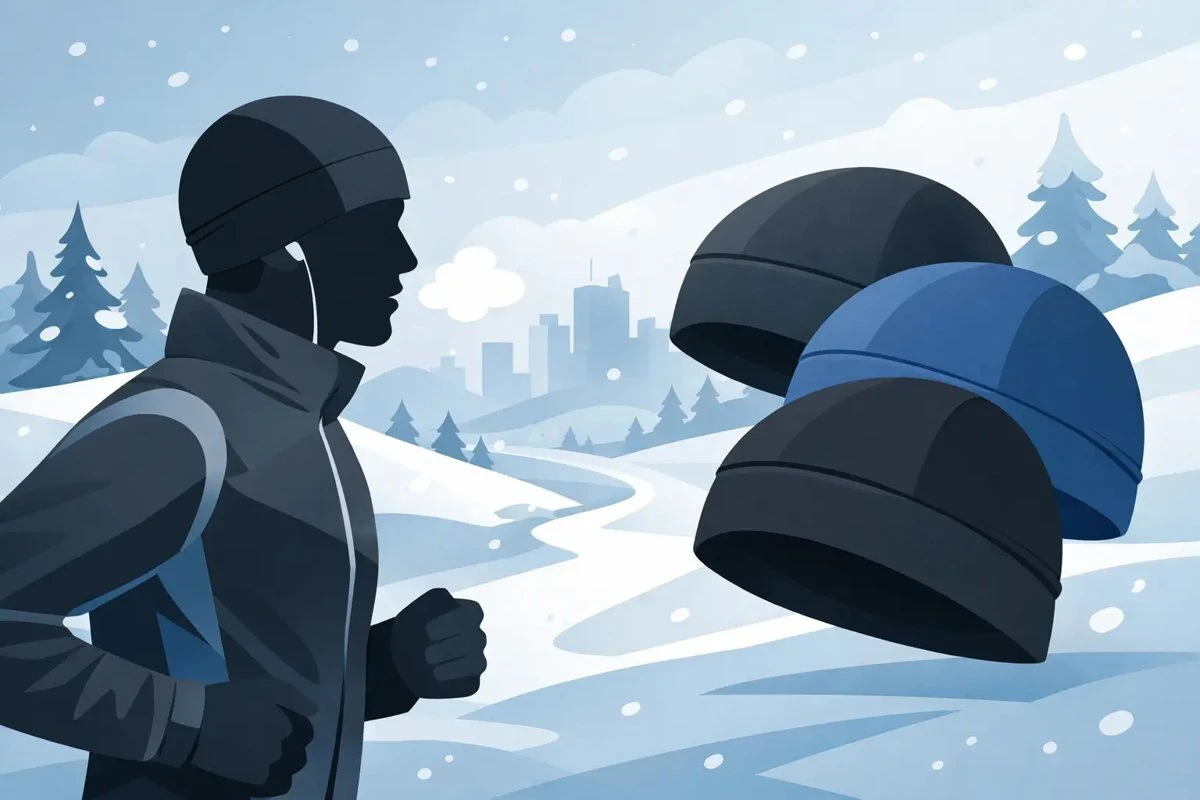
The first mile in cold air tells you quickly if your gear is working. Ears start to sting, sweat begins to build under a hat, and anything that slips or bunches becomes a distraction fast. A cold weather running skull cap is built to solve that problem - giving you low-profile warmth, moisture control, and a secure fit that stays put when your pace picks up.
For runners who train consistently, this is not a throw-in accessory. It is a performance layer. The right skull cap helps regulate heat without trapping too much of it, fits cleanly under a hood or over-ear audio gear, and keeps sweat from running into your eyes when cold conditions turn into a harder effort. That balance matters more than many runners expect.
What a cold weather running skull cap should actually do
A good winter running cap is not just a smaller beanie. It has a specific job: protect your head and ears from cold exposure while managing sweat during movement. Running generates heat quickly, even in low temperatures, so heavy insulation can become a problem if it holds moisture and overheats after the first ten minutes.
That is why material and construction matter. A cold weather running skull cap should sit close to the head, cover the ears well, and use technical fabric that moves sweat away from the skin. If it gets soaked early and stays wet, you lose comfort and often lose warmth too. Damp fabric against cold skin can make a run feel longer than it is.
Fit is the other half of the equation. If the cap rides up, loosens during movement, or shifts every time you turn your head, it stops doing its job. Runners need no-slip comfort, especially on longer runs, windy routes, and speed sessions where movement is less controlled.
Why runners choose a skull cap over a winter hat
There is a reason many runners reach for a skull cap instead of a standard knit hat. Bulk gets in the way. A winter hat may feel warm standing at the trailhead, but once you settle into effort, it can feel too hot, too loose, or too heavy.
A skull cap is more streamlined. It sits lower, moves less, and layers better. If you run with a hooded jacket, wear sunglasses, or prefer a cap over the top for rain or wind, the lower profile makes a difference. It also gives you more controlled warmth. That matters in temperatures where you want protection, not full insulation.
There is a trade-off, of course. In extreme cold, a lightly insulated skull cap may not be enough on its own. Wind chill, precipitation, route exposure, and pace all change what works. But for many winter runs, especially steady efforts in the cool-to-cold range, a skull cap gives a better balance of warmth and breathability than a traditional hat.
The best fabrics for a cold weather running skull cap
Fabric drives performance more than color or style ever will. For runners, the goal is to hold warmth without holding sweat. That usually means technical polyester blends, brushed performance fabrics, or lightweight thermal materials that insulate while still breathing.
Some runners assume thicker always means warmer. In practice, thicker often means hotter, and hotter means wetter. If you tend to sweat heavily, a lighter thermal cap may outperform a bulky one because it keeps your temperature more stable throughout the run.
Stretch matters too. A fabric with enough recovery keeps the cap close to the head without pressure points. If the material bags out over time, it will start to move around, especially when damp. Flat seams or low-bulk construction also help reduce irritation, especially for runners logging frequent winter miles.
For athletes who deal with sweat in every season, sweat control features become especially useful in cold weather. When perspiration runs down into the eyes or onto glasses, comfort drops and focus goes with it. A function-first design, like the kind Halo Headband is known for, matters because winter gear still has to perform under effort, not just feel warm in the parking lot.
Cold weather running skull cap fit: snug, not restrictive
A running skull cap should feel secure from the start. Not tight enough to create pressure around the forehead, but snug enough that you forget about it after a few minutes. If you need to keep adjusting it, the fit is off.
Ear coverage is one of the easiest ways to judge proper fit. The cap should protect the ears without pulling upward as you move. Caps that are too shallow often expose part of the ear once your stride settles in. Caps that are too loose can create folds around the sides, which may interfere with sunglasses or let in cold air.
Hair also changes the fit equation. Runners with longer hair, thick hair, or a high ponytail may need more stretch and better shape retention. A cap that fits one athlete perfectly may feel unstable on another. That is why real performance fit is not just about size. It is about how the cap handles movement, sweat, and repeated wear.
When to wear a cold weather running skull cap
There is no universal temperature where every runner needs one. It depends on pace, wind, body heat, and preference. Some runners switch to a skull cap as soon as temperatures drop into the 40s. Others wait until freezing or below, especially if they run warm.
What matters more is the combination of cold air and sustained exposure. Windy conditions, early morning starts, and routes with little shelter can make a moderate temperature feel much colder. If your ears go numb early or your forehead stays cold for the first few miles, a skull cap is usually the right call.
It also helps on variable-weather days. Cold starts can turn into warmer efforts, and a low-bulk skull cap is easier to manage than a heavy winter hat. It is less likely to feel excessive once your body temperature rises.
Features that make a difference on the run
Small design details tend to separate average headwear from gear runners trust all season. Moisture-wicking fabric is the baseline. Beyond that, secure grip, clean seam placement, and dependable ear coverage matter just as much.
Sweat management deserves more attention than it usually gets in winter gear. Cold-weather runners still sweat, especially during tempo runs, hill repeats, and long efforts. If that moisture is not redirected or absorbed efficiently, it can drip, sting, or collect around eyewear. A cap that keeps sweat out of your eyes supports better focus and a more comfortable run.
Breathability is another feature runners often appreciate after the first hard session. A skull cap that traps too much heat may feel fine at an easy pace but become uncomfortable during intensity. The best option is usually one that provides enough insulation for the conditions without becoming a heat trap once effort increases.
How to choose the right one for your training
Start with your climate and your sweat rate. If winters are cool rather than severe, a lightweight thermal skull cap is often enough. If you train in freezing temperatures with regular wind exposure, you may want something slightly warmer, but still breathable.
Next, think about how you actually run. If you do intervals, race through winter, or tend to heat up quickly, lean toward lower bulk and stronger moisture management. If most of your runs are easy, slower, or in very cold morning conditions, a bit more insulation may make sense.
Then consider what else you wear. A skull cap should work with sunglasses, jackets, and any other cold-weather gear in your kit. Compatibility sounds minor until something presses, slips, or overlaps awkwardly for an hour.
The best choice is not the warmest option on the shelf. It is the one that supports your pace, weather conditions, and comfort without adding another distraction.
Care and durability matter too
Winter running gear gets used hard. It takes sweat, repeated washing, and frequent stuffing into pockets or gym bags. A quality skull cap should maintain its fit and function through regular training, not just look good out of the package.
Look for fabric that recovers well after washing and construction that holds up at the seams. If the fit loosens quickly or the material loses its moisture-management performance, the cap stops delivering where it counts. Durable, technical headwear earns its place by being reliable in January, February, and every cold run after that.
A cold weather running skull cap is a simple piece of gear, but it solves real problems when it is designed correctly. It keeps warmth where you need it, manages sweat under effort, and stays out of your way while you train. When your headwear does that consistently, cold conditions feel a lot more runnable.