
Do Headbands Cause Headaches? Fit Is the Difference
Posted by Halo Headband on Nov 22nd 2026
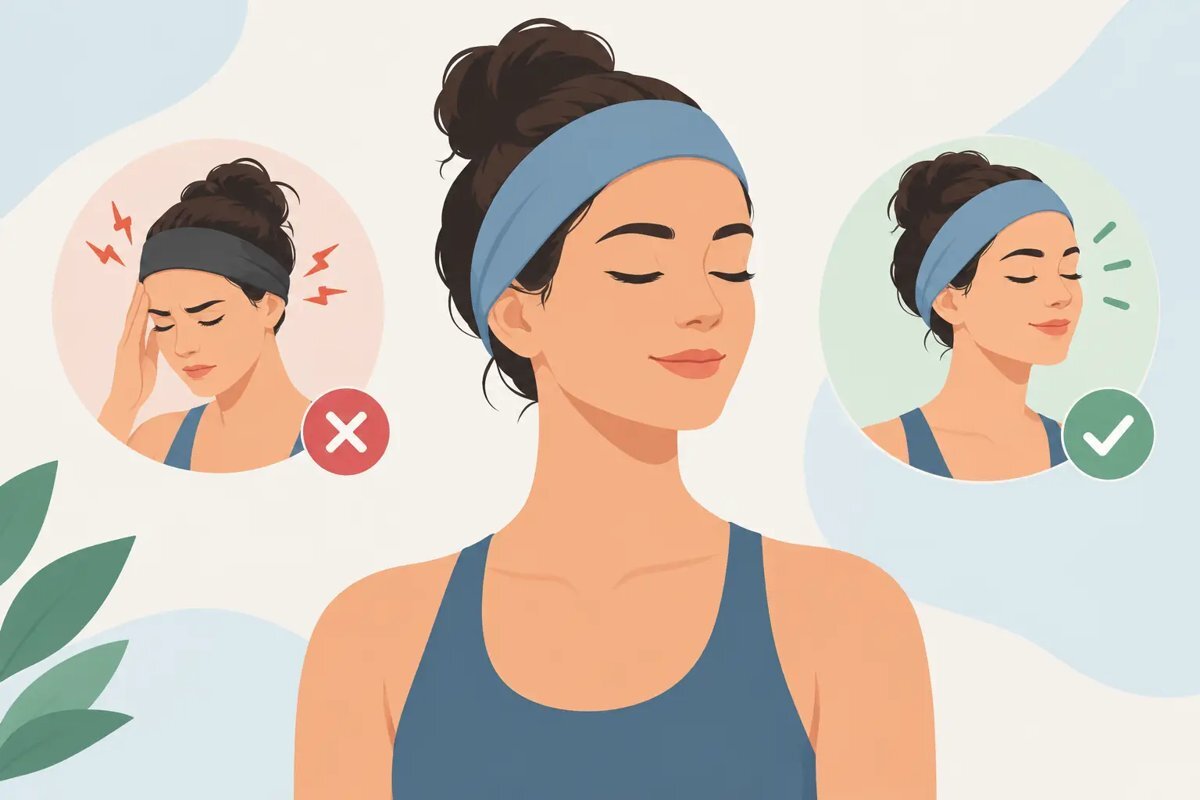
A headband should keep sweat out of your eyes, not give you something else to manage. So, do headbands cause headaches? They can, but the headband itself is rarely the whole story. Most exercise-related headband headaches come down to excessive pressure, poor placement, heat buildup, or a product that shifts during movement and gets repeatedly tightened.
For athletes who train hard, this distinction matters. The right headwear should stay put, redirect sweat, and disappear from your awareness once the workout starts. If you finish a run, ride, match, or lift with a line across your forehead and a pounding temple, your fit needs attention.
Why Headbands Can Trigger Headaches
The most common issue is external compression. A narrow, overly tight band can press on the forehead, temples, or the area behind the ears. That pressure may irritate sensitive tissues around the scalp and face, creating a tension-like headache. Some people call this a compression headache because the discomfort begins while wearing the item and often improves after taking it off.
Tightness is not the only factor. A band that starts comfortable but creeps upward during a workout can become a problem. Athletes often respond by pulling it lower or tightening it more. Now the product is fighting sweat, hair, movement, and skin instead of staying securely positioned. The result is uneven pressure and constant distraction.
Heat and hydration can add to the problem. Training in hot conditions, losing fluids, skipping meals, or arriving already fatigued can cause a headache on their own. In that situation, a snug headband may feel like the obvious culprit even when it is only making an existing issue more noticeable. That is why the answer depends on when the headache starts, where it is located, and whether it happens with every headband or only one style.
Do Headbands Cause Headaches During Exercise?
A headband is more likely to contribute to a headache during exercise when it is too restrictive for the activity and sweat level. Running, cycling, tennis, pickleball, and high-intensity training all create repetitive motion and sustained sweat. Gear that slips can tempt you to over-tighten it. Gear that traps heat can feel increasingly uncomfortable as your body temperature rises.
Hair can change the fit, too. A thick ponytail, braids, clips, or a bun can create a pressure point where the band meets the head. Placing a band directly over a sensitive spot, especially at the temples, can also make a normal fit feel too tight after 30 or 40 minutes.
The goal is not a loose headband. Loose gear tends to migrate, collect sweat, and require frequent adjustment. The goal is a secure, no-slip comfort fit that uses grip and construction to stay in place rather than relying on excessive squeeze.
Signs Your Headband Fit Is Too Tight
You do not need to guess whether a band is working against you. A properly fitted athletic headband should feel secure without creating pressure you notice between sets or miles. Consider changing the fit or style if you experience four or more of these signs:
- A headache that begins soon after putting it on and eases after removal
- Deep marks, numbness, tingling, or soreness across the forehead or behind the ears
- A need to readjust, pull down, or tighten the band throughout training
- A band that rolls, bunches, or concentrates pressure in one narrow area
- Extra heat or irritation under the material as sweat builds
One temporary forehead mark after a hard workout does not automatically mean the product is too tight. Persistent discomfort does. Your headwear should support focus, not become another piece of equipment you cannot wait to remove.
How to Wear a Headband Without a Headache
Start with placement. For most athletes, a performance headband works best just behind the hairline, with the front edge positioned to intercept sweat before it reaches the eyebrows. Avoid pulling it low across the middle of the forehead if that is where you feel pressure most strongly. A small adjustment up or back can distribute contact more comfortably.
Next, match the width and style to your use. Narrow bands can be effective for lighter sweat and shorter sessions, but they concentrate their hold in a smaller area. Wider bands distribute pressure over more surface area and can be more comfortable for long runs, cycling, court sports, or high-sweat training. Tie-back and adjustable styles let you fine-tune tension, which can be useful when your hairstyle or training conditions change.
Material matters as much as tension. A headband that absorbs sweat until it becomes saturated may feel heavier and warmer over time. Technical, breathable materials help manage moisture without turning into a wet strip pressing against your skin. Sweat-redirection design also matters because keeping sweat away from your eyes reduces the urge to constantly wipe your face or reposition the band.
Before a key workout or race, test the fit during movement, not just in front of a mirror. Jog in place, bend over, turn your head, and perform a few sport-specific motions. If it slides immediately, do not solve the issue by pulling it excessively tight. Try a different placement, width, or retention design first.
Choose Retention, Not More Pressure
Athletes need headwear that can handle motion without becoming restrictive. That is where construction makes a real difference. A band designed with a secure grip surface can stay positioned with less compression than a basic elastic band. When the headband stays stable, you are less likely to keep touching it, tightening it, or creating a pressure point mid-workout.
Halo Headband products use patented SweatSeal with Grip Technology to redirect sweat away from the eyes, face, and glasses while helping the band hold its position. For high-sweat athletes, that function-first approach can reduce the cycle of slipping, adjustment, and over-tightening that leads to discomfort.
There is still no single best style for everyone. A cyclist wearing a helmet may prefer a low-profile band that fits comfortably underneath. A runner in summer heat may want a wide, breathable pullover design. A tennis or pickleball player may value a secure band that handles quick lateral movement without creeping toward the eyebrows. The best choice is the one that manages sweat for your sport while maintaining even, comfortable contact.
Do Not Blame the Headband for Every Headache
If headaches happen even when you are not wearing headwear, look beyond fit. Dehydration, heat exposure, caffeine changes, poor sleep, neck tension, hunger, eye strain, allergies, and hard efforts can all play a role. Headaches that occur late in a long workout may point more toward fueling, fluids, or temperature management than the headband itself.
Pay attention to the pattern. If discomfort appears only with one particular band and resolves quickly after removal, fit or pressure is a likely contributor. If it appears with multiple styles, persists after you remove them, or comes with symptoms such as vision changes, dizziness, nausea, weakness, confusion, fever, or a sudden severe onset, stop exercising and seek medical guidance promptly. Recurring exercise headaches also deserve a conversation with a qualified healthcare professional.
A better headband fit can be a simple performance upgrade. Choose a style that stays secure without squeezing, position it to catch sweat before it reaches your eyes, and test it under the conditions where you actually train. When your gear manages sweat and stays out of your way, you can keep your attention where it belongs: on the next mile, point, rep, or climb.