

Headband Under a Bike Helmet: Does It Help?
Posted by Halo Headband on Nov 22nd 2026
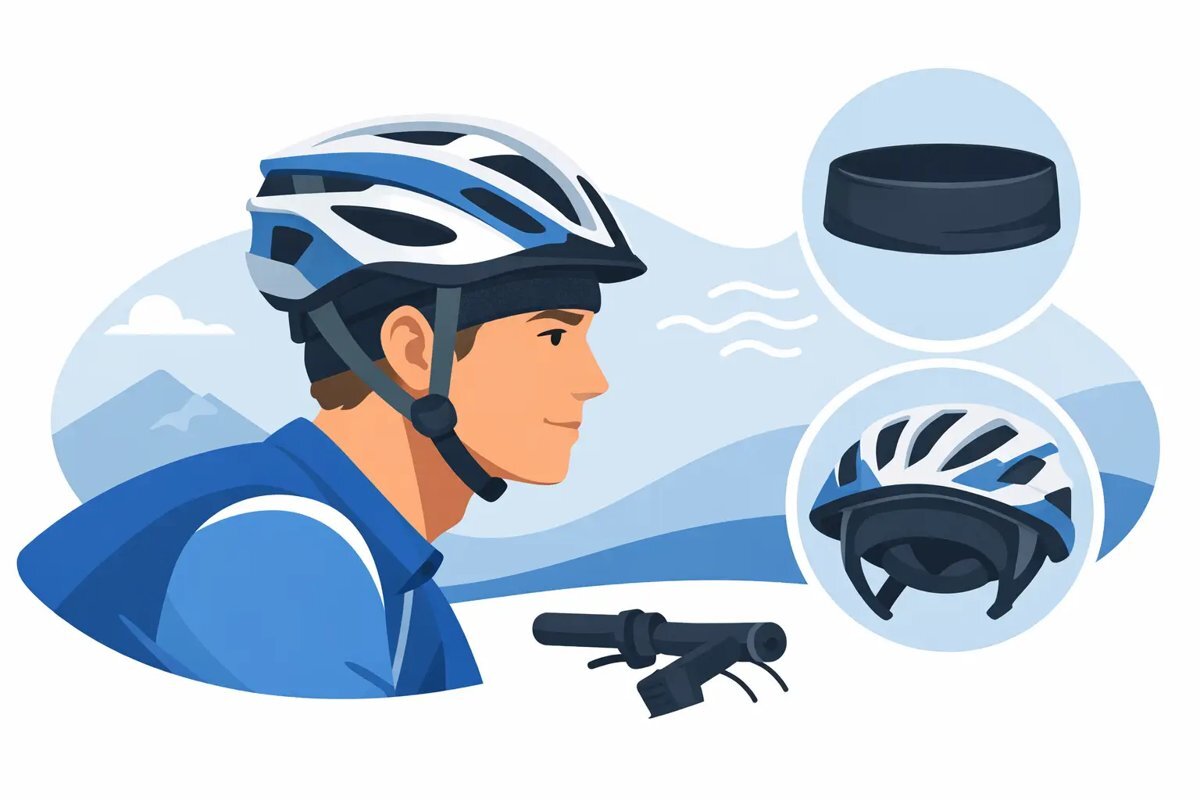
A ride can fall apart fast when sweat starts running into your eyes at speed. If you have ever wiped your face with one hand while trying to hold a line with the other, you already know why this setup matters. The right headband does more than add comfort - it helps manage sweat, reduces distractions, and keeps your attention where it belongs.
Why wear a headband under bike helmet?
Cyclists deal with a specific mix of problems. Heat builds up under the shell, airflow changes as your pace changes, and sweat tends to collect right at the brow before it drops into your eyes or onto your glasses. A standard helmet does not solve that on its own. Padding helps with comfort and fit, but it is not designed to actively redirect sweat during a hard ride.
That is where a performance headband earns its place. A good cycling headband sits low across the forehead, seals comfortably against the skin, and channels sweat away before it starts dripping. That sounds simple, but it has a direct effect on performance. Less stinging in the eyes means fewer mid-ride adjustments, better visibility, and more focus on the road, trail, or rider in front of you.
There is also a comfort factor that matters on longer rides. Many riders find that a thin headband under a helmet reduces hot spots from helmet pads and gives the fit a more secure feel. It will not fix a poorly fitted helmet, but it can make a properly fitted one feel more stable and consistent, especially in high heat.
What makes a headband work under a bike helmet?
Not every headband belongs under a helmet. Bulk is the first problem. If the fabric is too thick, it changes helmet fit, creates pressure points, and traps heat. A cycling headband needs to stay low-profile so the helmet still sits where it should.
Material matters just as much. Cotton may feel soft at first, but once it saturates, it gets heavy and stays wet. That can lead to more discomfort, more heat retention, and a headband that shifts around as the ride goes on. Technical fabrics designed for sweat management are a better match because they dry faster, breathe better, and hold their shape.
Grip is another piece riders often overlook until a bad ride reminds them. If your headband slides backward under the helmet, bunches near the ears, or creeps up your forehead, it becomes another distraction instead of a solution. A no-slip fit is not a nice extra. It is the difference between gear you forget about and gear you end up adjusting every few miles.
The best designs also do more than absorb moisture. Sweat control is stronger when the headband helps redirect sweat away from the eyes and face instead of just soaking it up until it overflows. That is especially useful for riders who sweat heavily in humid weather, climb often, or train indoors on the bike where airflow is limited.
Headband under bike helmet fit: what to watch for
The biggest trade-off with any layer under a helmet is fit. Helmets are designed to sit close to the head, so adding anything underneath changes the equation. A thin performance headband usually works well, but only if the helmet still feels secure without pressure points.
Start with the front position. The band should sit across the forehead low enough to catch sweat where it forms, but not so low that it interferes with your eyebrows or vision. If it rides too high, sweat will still run down into your eyes. If it sits too low, it can feel restrictive and uncomfortable over time.
Then check the sides and back. The headband should lie flat with no folds under the retention system. Wrinkled fabric under the helmet can create annoying pressure during longer rides. If you wear glasses, pay attention to the area around the temples. Extra material there can crowd the arms of the glasses and cause rubbing.
After that, recheck your helmet fit. If the helmet suddenly feels too tight, unstable, or higher on your head than usual, the headband is too bulky or not positioned correctly. A headband should support helmet comfort, not compromise helmet safety.
When a headband helps most
Some riders benefit from a headband every time they ride. Others mostly need one in certain conditions. Heat is the obvious trigger, but it is not the only one.
High-sweat riders usually notice the biggest improvement right away. If sweat pours into your eyes within the first few miles, a technical headband can make an immediate difference. Riders who wear prescription glasses or sunglasses also tend to appreciate the benefit faster because sweat on the lenses quickly becomes a visibility issue.
Long endurance rides are another strong use case. Small distractions get bigger over two or three hours. Sweat, salt, and repeated wiping wear on your focus. A headband helps keep your face drier and your routine simpler.
Indoor cycling is a different but equally useful scenario. Without outdoor airflow, sweat can build fast and drop straight onto your eyes, nose, bars, or screen. A helmet may not be part of that setup, but the same sweat-management principle applies. If you also ride outdoors, using the same style of headband in both settings creates consistency.
Cold-weather rides can be a little different. In cooler conditions, some riders prefer a skull cap or thermal option instead of a standard headband because they want ear coverage and insulation along with sweat control. The key is still the same - low bulk, good breathability, and a secure fit under the helmet.
Common mistakes riders make
One common mistake is choosing thickness over function. A plush or wide band might feel like it will absorb more, but under a bike helmet it often creates more heat and pressure than benefit. Thin, technical construction usually performs better for cycling.
Another mistake is assuming any moisture-wicking fabric will do the job. Moisture wicking helps, but sweat on the forehead needs direction as much as absorption. If the band cannot control where that sweat goes, you may still end up with drips in the eyes once the effort level climbs.
Fit mistakes are common too. Riders sometimes pull the band too high because it feels more comfortable at first. That leaves the sweat zone exposed right where it matters most. Others tighten the helmet to compensate for a slippery headband, which creates unnecessary pressure instead of fixing the actual problem.
Finally, some cyclists wait too long to replace a worn-out band. If the fabric has stretched, the grip has faded, or it stays saturated early in the ride, performance is no longer where it should be. Sweat gear takes abuse. Repeated use, washing, and heat all add up.
How to choose the right option
If you are shopping for a headband under bike helmet use, think in terms of ride conditions and sweat level first. For hot-weather road rides, low-profile and high-breathability should lead the list. For high-output training, strong sweat redirection and no-slip grip matter even more. For cool mornings or winter miles, a slightly more protective option may make sense as long as it still fits cleanly under the helmet.
This is also one area where purpose-built design matters. Generic athletic headwear may seem close enough, but cycling exposes every weakness in fit and sweat control. When the pace rises or the climb starts, average gear gets obvious fast. A performance-focused option like Halo Headband is built around that problem with sweat-management technology designed to keep sweat out of your eyes and a fit that stays put under movement.
You do not need a complicated setup. You need a headband that stays comfortable under the helmet, manages sweat before it becomes a distraction, and holds up ride after ride. If it does those three things well, it earns its spot in your kit.
Is a headband under a bike helmet worth it?
For many riders, yes. Not because it looks better or adds extra gear for the sake of gear, but because it solves a real performance problem. Sweat in the eyes is not minor when you are descending, cornering, or riding in traffic. It affects comfort, visibility, and focus all at once.
That said, it depends on how much you sweat, where you ride, and how your helmet fits. Some cyclists may only need a headband in summer or during hard training blocks. Others will not ride without one. The right answer is the setup that helps you stop thinking about sweat altogether.
If your current rides include stinging eyes, slipping glasses, or constant face wiping, a better headband is a practical fix. Small gear changes matter when they remove a repeated distraction, and that is exactly what a good cycling headband is built to do.