
How to Prevent a Headband from Slipping
Posted by Halo Headband on Nov 22nd 2026
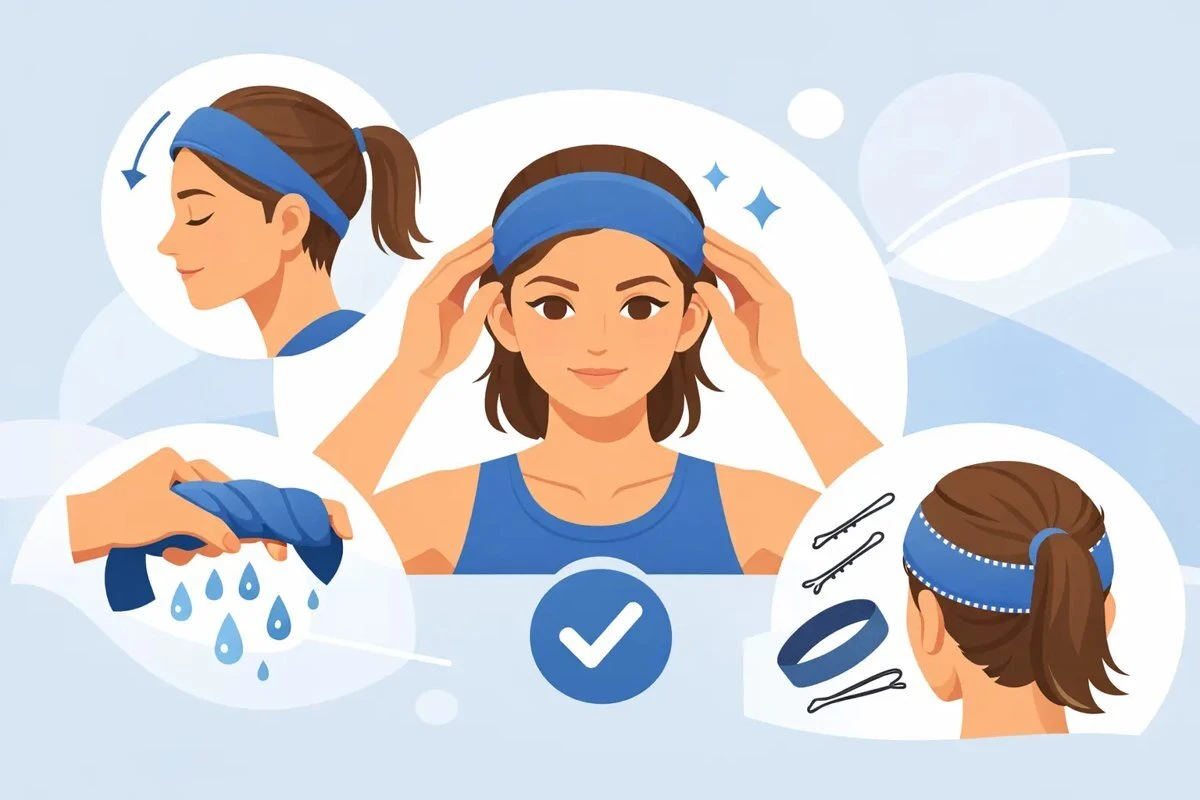
A headband that starts strong and slides back by mile two is not a minor annoyance. It breaks focus, lets sweat run where you do not want it, and turns a simple piece of gear into one more thing to manage mid-workout. The fix usually comes down to three things: fit, fabric, and how the band interacts with sweat and movement.
The good news is that slipping is not random. Headbands move for specific reasons, and once you identify which one applies to you, the solution gets much easier.
Why headbands slip in the first place
Most slipping happens when the band cannot create enough friction against the skin or hair to stay put under motion. That can be because the material is too smooth, the fit is too loose, or sweat is building up and turning the contact area slick. In some cases, the problem is the opposite. A band that is too tight can gradually roll or creep because it is fighting against your head shape instead of sitting flat.
Sport matters too. A headband that feels stable during lifting may shift during running, cycling, tennis, or pickleball because the movement pattern changes. Repetitive impact, quick direction changes, helmet pressure, and repeated wiping can all work a band out of position.
Hair also changes the equation. Freshly washed hair, fine hair, and certain conditioners can make a surface especially slippery. Thick hair or a high ponytail can push a band upward if it is not positioned correctly. That is why there is no single answer for everyone. There is a best setup for your head shape, hair type, and training style.
How to prevent headband slipping with better fit
Fit is the first thing to check because even high-performance materials cannot fully compensate for the wrong size or style. A headband should feel secure without creating pressure points. If it leaves you constantly adjusting it because it feels loose, it probably is. If it feels like it is digging in, it may be too tight and more likely to migrate.
Wider bands often provide more surface contact, which helps with stability. They spread pressure over a larger area and are less likely to twist. Narrow bands can work well for some athletes, especially in lower-sweat situations, but they have less contact area and can be easier to displace during hard movement.
Adjustability also matters. Tie-back and adjustable styles give you more control over tension, which can be useful if your workouts vary or if one-size products tend to be inconsistent on you. Pullover styles can be very stable when the sizing and stretch are right, but if the circumference is off, they will either creep or squeeze.
A simple test helps. Put the headband on before training and move through a few jumping jacks, a short jog, and a few quick head turns. If it starts shifting before you even break a serious sweat, the fit or style is likely wrong for your use case.
Placement matters more than most athletes think
Even a well-made headband can slip if it is worn in the wrong spot. Positioning changes both grip and pressure.
For most athletic use, the front edge should sit low enough on the forehead to intercept sweat before it reaches the eyebrows, but not so low that it interferes with vision or folds over itself. In back, the band should sit where the shape of your head helps anchor it instead of resting too high on a rounded area that encourages sliding.
If you wear it too far back, sweat from the hairline can still reach your face, and the band has less support at the front. Too far forward, and it may fold, especially during repeated motion. The right position usually feels balanced, flat, and stable within the first few minutes.
If you have longer hair, try placing the band first, then pulling hair into place. Putting the ponytail or bun in before the headband can sometimes create tension that pushes the band upward. For shorter hair, make sure the band is lying flat against the scalp instead of sitting on top of bulk or cowlicks that can reduce contact.
Fabric and grip make a real difference
If you want to know how to prevent headband slipping during high-sweat training, fabric is usually the deciding factor. Cotton may feel soft at first, but once it absorbs sweat, it gets heavier and less stable. Very slick synthetic fabrics can dry fast but still slide if they are not designed with enough grip.
The best athletic headbands do two jobs at once. They manage moisture so sweat does not create a slippery layer, and they maintain traction against the skin. That combination is what keeps a band in place when pace, heat, and sweat output increase.
This is where technical design matters. Features like grip surfaces, sweat-channeling construction, and performance stretch are not marketing extras. They directly affect whether the headband stays put or starts drifting as the workout gets harder. Halo Headband uses patented SweatSeal with Grip Technology for exactly that reason - to redirect sweat away from the eyes and help maintain a secure fit during movement.
Breathability matters too. If a band traps too much heat, you will sweat more underneath it, which can undermine stability. A breathable fabric helps regulate moisture and temperature so the band performs more consistently over time.
Match the headband to the sport
Different sports create different slipping problems, so the best solution depends on how you move.
Runners usually need a headband that can handle repetitive impact and steady sweat output without creeping backward. Cyclists often need compatibility with a helmet, which changes pressure points and can cause bunching if the band is too bulky. Tennis and pickleball players need strong hold during lateral cuts, quick stops, and repeated head movement. Gym training can vary from lower-sweat strength work to intense intervals where moisture management becomes the main challenge.
If your headband works for one activity but not another, that does not necessarily mean it is a bad product. It may simply be the wrong style for that movement pattern. A wider pullover band might excel for running and outdoor training, while a tie-back style might give a better custom fit for court sports or helmet use.
Small mistakes that cause big slipping issues
Sometimes the issue is not the headband itself. Skin care and hair products can reduce grip more than athletes realize. Sunscreen across the forehead is necessary outdoors, but if it is very oily and the band sits directly on top of it, slipping is more likely. The same goes for leave-in conditioner, styling products, and even heavy facial moisturizers near the hairline.
Try letting products absorb before putting your headband on. If you sweat heavily, it also helps to start with a dry forehead. Putting a headband onto already wet skin can make it harder to establish grip from the start.
Another common mistake is wearing a stretched-out band for too long. Performance headwear takes repeated sweat, washing, and tension. Over time, elasticity can decline. If a band that used to stay put now slips under the same conditions, wear and tear may be the reason.
Care affects performance
A dirty headband does not just smell bad. Sweat salts, body oils, and detergent residue can all affect how the fabric grips and wicks moisture. If you want consistent no-slip performance, wash headbands according to care instructions and avoid product buildup.
Skip fabric softeners if the manufacturer recommends it. They can coat performance fibers and reduce moisture management. Let the band fully dry, and store it flat instead of stretched around objects that can distort the shape.
Consistent care will not fix the wrong product, but it can help a good one keep doing its job.
When you need a different style
If you have tried adjusting fit, placement, and care and the band still slips, it may be time to switch styles. That is not overthinking it. Athletic headwear is performance gear, and performance gear should match the job.
Athletes with fine hair may do better with stronger grip features. Athletes with thick or textured hair may need more width and coverage. Heavy sweaters usually benefit from headbands built specifically to redirect sweat, not just absorb it. If you train in heat, prioritize breathable construction along with hold. If you wear helmets or hats, look for low-bulk designs that do not get displaced under pressure.
The goal is not just keeping the headband on your head. It is keeping sweat out of your eyes, reducing distractions, and helping you stay locked into the session.
A good headband should disappear once the workout starts. If you are still thinking about it halfway through, it is telling you something. The right fit, fabric, and placement can solve most slipping issues, and once they do, everything else gets simpler - clearer vision, fewer adjustments, and one less thing pulling your attention away from performance.