

How to Wash SweatSeal Headwear Without Damage
Posted by Halo Headband on Nov 22nd 2026
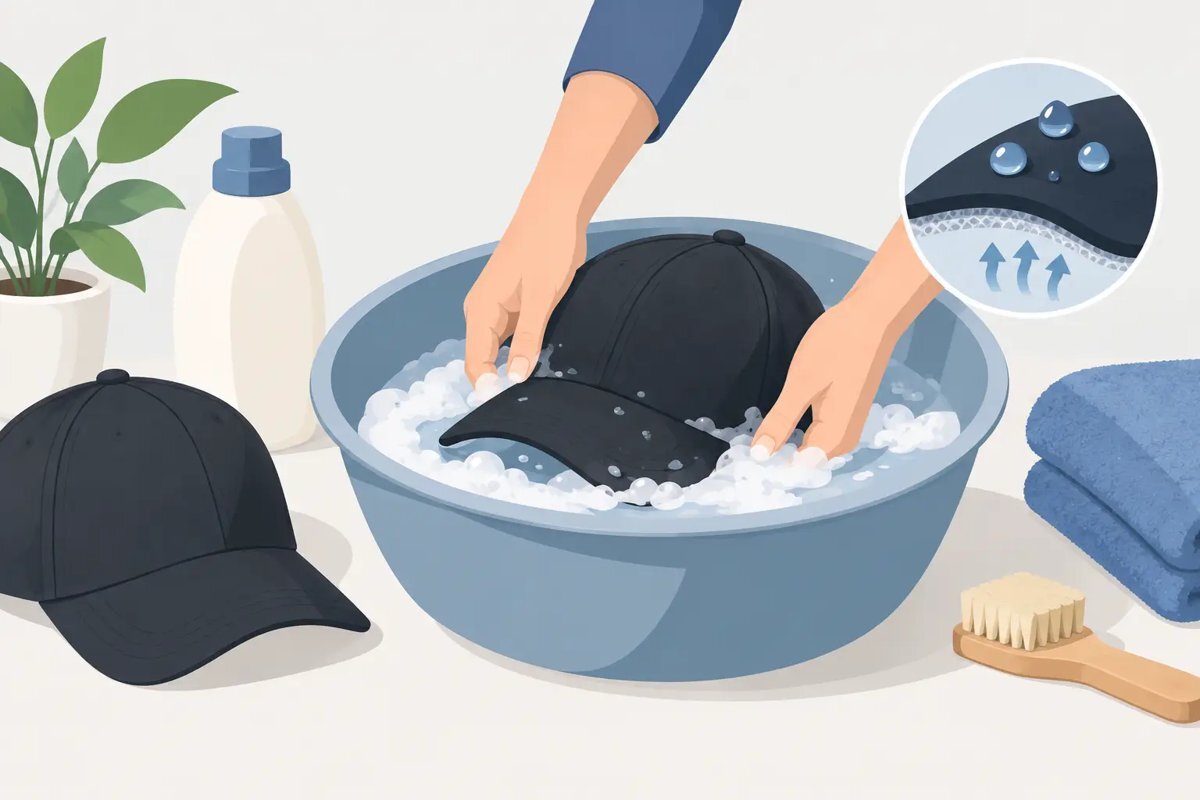
A headband that keeps sweat out of your eyes has done real work by the end of a run, ride, match, or training session. Washing SweatSeal headwear the right way helps preserve the fit, comfort, and sweat-management performance you count on when the pace picks up. The goal is simple: remove sweat, salt, body oils, and sunscreen without exposing technical materials to unnecessary heat or harsh chemicals.
Regular cleaning is not just about odor. Dried salt can make fabric feel stiff, while oils and product buildup can affect how comfortably headwear sits against your skin. A quick, consistent wash routine keeps your gear ready for the next hard session.
How to Wash SweatSeal Headwear by Hand
Hand washing is the best default for performance headwear. It is gentle on technical fabrics and helps protect the SweatSeal channel and grip components from excessive agitation.
Start by filling a clean sink or bowl with cool to lukewarm water. Hot water is not needed and can be tougher on elastic fibers, adhesives, and performance materials over time. Add a small amount of mild liquid laundry detergent. Choose one without bleach, fabric softener, or heavy fragrance when possible.
Place the headwear in the water and gently work the soapy water through the fabric with your hands. Pay extra attention to the area that contacts your forehead, where sweat, sunscreen, and skin oils collect. Do not scrub aggressively, twist the band, or use a brush. The SweatSeal is built for repeated athletic use, but gentle handling is the right trade-off for long-term performance.
Let the headwear soak for a few minutes if it has heavy buildup. Then rinse thoroughly under cool running water until the water runs clear and no detergent remains. Residual soap can leave fabric feeling less breathable and may irritate sensitive skin during a workout.
To remove excess water, press the headwear gently between clean towels or squeeze it lightly in your hands. Never wring it out. Wringing can stretch the fabric and distort the shape that helps create a secure, no-slip fit.
Air Dry for Better Fit and Performance
Lay your clean headwear flat on a towel or hang it in a well-ventilated area to air dry completely. Keep it away from direct high heat, such as a radiator, heating vent, or hot car dashboard. High heat can weaken elastic fibers and shorten the useful life of technical sports gear.
Avoid the dryer unless the care label for your specific item says otherwise. Even a low dryer setting adds tumbling and heat that hand washing and air drying avoid. For athletes who rotate through several headbands each week, air drying overnight is usually enough to have fresh gear ready for morning training.
Before storing it, make sure the headwear is fully dry. Folding damp gear into a gym bag is one of the fastest ways to create stubborn odor. If you train daily, it helps to own enough headwear to rotate pairs while the others dry.
Can You Machine Wash SweatSeal Headwear?
Machine washing can be convenient, especially after a long week of workouts, but it is less controlled than hand washing. If the care label on your specific Halo Headband product permits machine washing, use the gentlest possible approach: cold water, a delicate cycle, and mild detergent.
Place the headwear in a mesh laundry bag before it goes into the machine. This reduces the chance of snagging, stretching, or getting wrapped around other garments. Wash it with lightweight athletic clothing rather than jeans, towels, shoes, or anything with hooks, zippers, and rough surfaces.
Skip bleach and fabric softener. Bleach can damage fibers and color, while fabric softener can coat moisture-managing fabrics and leave behind residue. That coating is the opposite of what you want from headwear designed to manage sweat efficiently.
Once the cycle ends, remove the headwear promptly and air dry it. Do not leave it wet in the washer, where moisture and trapped odors can set in.
What to Avoid When Cleaning Performance Headwear
A few common laundry shortcuts can work against the performance features you bought the headwear for. Avoid these four habits:
- Hot water: It can be hard on elastic materials and may affect long-term shape retention.
- Bleach or harsh stain removers: These products can weaken fabric and fade colors.
- Fabric softener: It can leave a coating that reduces the clean, breathable feel of technical material.
- High-heat drying: It can shrink, warp, or fatigue materials that need to stretch and recover during movement.
Also avoid ironing SweatSeal headwear. Direct heat is unnecessary and can damage technical components. If your headwear is wrinkled after drying, wear it for a few minutes or lay it flat. Normal use will help it settle back into shape.
How Often Should You Wash It?
For high-sweat workouts, wash your headwear after every use. That is the best practice for runners training in heat, cyclists logging long rides, tennis and pickleball players competing outdoors, and anyone who finishes workouts with a fully saturated band.
If your session was light and the headwear is only slightly damp, hang it up immediately to dry and wash it after the next use. Still, do not let sweat build up for days. Salt, oil, and sunscreen become harder to remove the longer they sit.
The right frequency depends on your sweat rate, weather, and workout type. A short cool-weather walk does not create the same cleaning need as interval training in July. Use the condition of the headwear as your guide: if it smells, feels stiff, looks discolored, or no longer feels fresh against your forehead, wash it before wearing it again.
Removing Odor, Salt Rings, and Sunscreen Buildup
When headwear has been through repeated hot-weather sessions, standard washing may not remove every trace of buildup on the first pass. Do not respond by reaching for stronger chemicals. Start with a longer soak in cool water and mild detergent, then rinse thoroughly.
For visible salt rings, gently massage the affected area while it soaks. Salt is water-soluble, so patience and a complete rinse are more useful than aggressive scrubbing. If sunscreen or skin oil remains, repeat the hand-wash process rather than increasing the detergent amount. Too much detergent is difficult to rinse out and can create its own residue problem.
Persistent odor often means the headwear was stored damp or washed without being fully rinsed and dried. A careful rewash followed by complete air drying usually restores a cleaner feel. If odor remains after proper cleaning, inspect the item and follow the product-specific care label for any additional guidance.
Keep Your SweatSeal Ready for Training
The best care routine takes less time than most post-workout stretching: rinse or wash promptly, use mild detergent, avoid heat, and let the headwear dry completely. That routine supports the comfortable fit and sweat redirection you need when your focus should be on the next mile, point, rep, or climb.
Treat your headwear like the performance equipment it is. Clean gear feels better, lasts longer, and is one less distraction between you and a strong training day.